
Naval ramp systems for landing craft
Bow and stern ramps for LCM and LCT landing craft and vehicle-carrying vessels: structure, drive, locking and control designed as one system, built and taken through class approval.
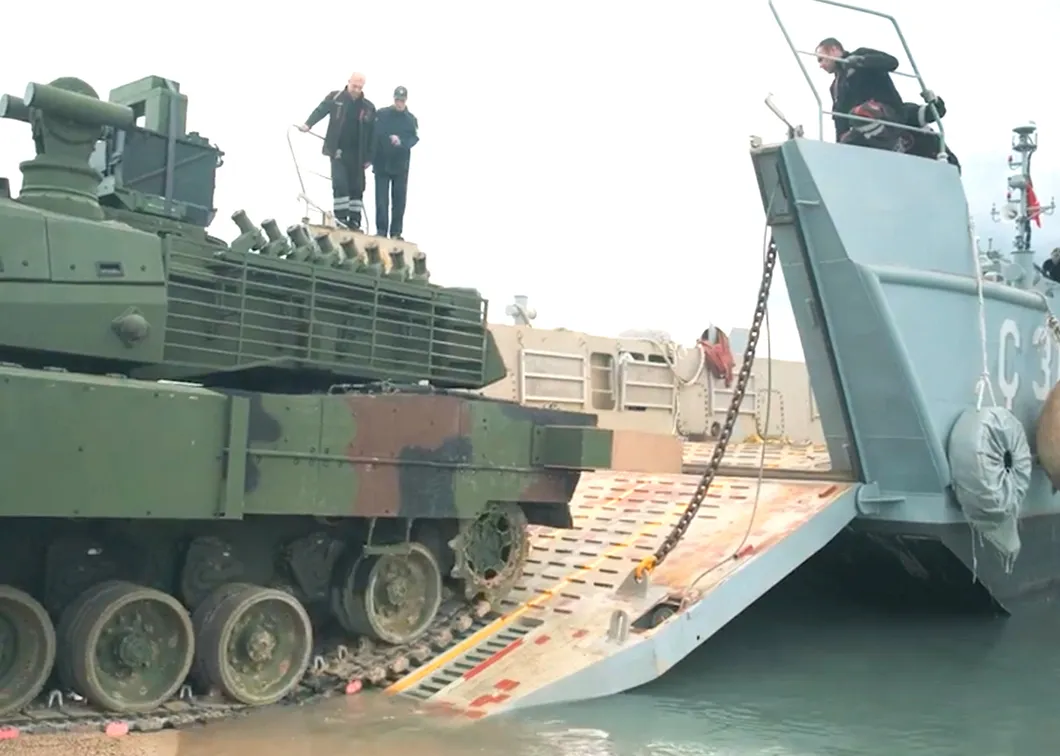
A ramp is the vessel's busiest moving part
A landing craft ramp is lowered onto beaches, quays and other vessels, often in a seaway and under full vehicle load. It has to seal at sea, open fast, stay locked in every position and keep working in salt water with little maintenance. When the drive, hinge and structure are designed separately, these demands conflict and the ramp becomes the weak point of the vessel.
Structure, drive and control as one design
- Structural design and analysis of the ramp, hinges and supports for vehicle and sea loads.
- Drive selection: hydraulic cylinders, hydraulic winches, electro-hydraulic packs or electric drives.
- Locking and sealing so the ramp holds in every position and stays watertight when closed.
- Control system with local and remote operation and the interlocks the vessel needs.
- Materials and certificates, such as high-strength low-alloy steel with EN 10204 3.1/3.2 certificates.
- Class approval managed with Türk Loydu, Lloyd's Register or the client's chosen society.
What we define with you
| Vessel types | LCM, LCT and other landing craft; logistic and support vessels; ferries and workboats with vehicle ramps |
|---|---|
| Ramp positions | Bow ramp, stern ramp, or both (fore and aft) |
| Drive | Hydraulic cylinders · hydraulic winch · electro-hydraulic power pack · fully electric |
| Control | Local panel, remote control, bridge integration, safety interlocks |
| Structure | Steel (incl. high-strength low-alloy) or aluminium, designed to vehicle load, sea state and class rules |
| Locking & sealing | Mechanical and hydraulic locking; watertight closing |
| Approvals | Türk Loydu, Lloyd's Register or other classification society; EN 10204 3.1/3.2 material certificates |
| Deliverables | Design and analysis reports, manufacturing drawings, manufacture, test procedures, class documents, ILS and operating manuals |
Ramp systems for TCG Anadolu's LCM landing craft
For the Turkish Navy we designed, analysed and manufactured fore and aft ballistic steel ramps for 4 LCMs embarked in TCG Anadolu's well deck, and supervised installation, testing, Türk Loydu certification and documentation. With no electrical power on board, the hydraulic winches run from a 75 kW power unit driven by the main engine shaft.
Read the case study- ClientTurkish Navy · 4 LCMs
- Fore ramp6 × 5 m, 60 t
- Aft ramp2 × 5 m, 20 t
- DriveHydraulic winch, 75 kW HPU
- Cycle time< 60 s
- ApprovalTürk Loydu · 2022
Naval ramp systems: common questions
Which vessels do you design ramp systems for?
Landing craft such as LCM and LCT, logistic and support vessels, ferries and workboats that load vehicles or cargo over a bow or stern ramp.
Hydraulic, electro-hydraulic or electric?
All three. Hydraulic cylinders or hydraulic winches suit heavy ramps and harsh duty; electro-hydraulic packs reduce piping on board; fully electric drives suit lighter ramps and vessels moving away from hydraulic oil.
Can you upgrade an existing ramp system?
Yes. We assess the existing ramp, structure and drive, then redesign the drive, control or locking system and retrofit it, as we did when converting a pneumatic military system to hydraulics.
Which approvals can the system carry?
We design to classification society rules and manage the approval process. Our fore and aft ramp systems for the Turkish Navy LCMs were certified by Türk Loydu; we also work with Lloyd's Register and supply EN 10204 3.1/3.2 material certificates.
What is your scope?
Anything from design only to a turnkey package: structural and dynamic analysis, drive and control design, manufacture, installation support, testing, class approval and ILS documentation.
Naval hatches, doors & marine cranes
Watertight hatches, shell and side doors, marine cranes, boat and tender launch and recovery.
Yacht systems
Balconies, beach clubs, hull and tender garage doors, passerelles and composite design.
Custom engineering
Structural and dynamic analysis, prototyping and qualification for marine and defense systems.
Planning a new vessel or a ramp upgrade?
Share the vessel type, ramp size and load case. We will propose a drive and structure concept.